

The East African Crude Oil Pipeline (EACOP) is targeting technical commissioning in July 2026, followed by political commissioning around October, as Uganda and Tanzania move closer to first oil from one of Africa’s most strategic energy projects.
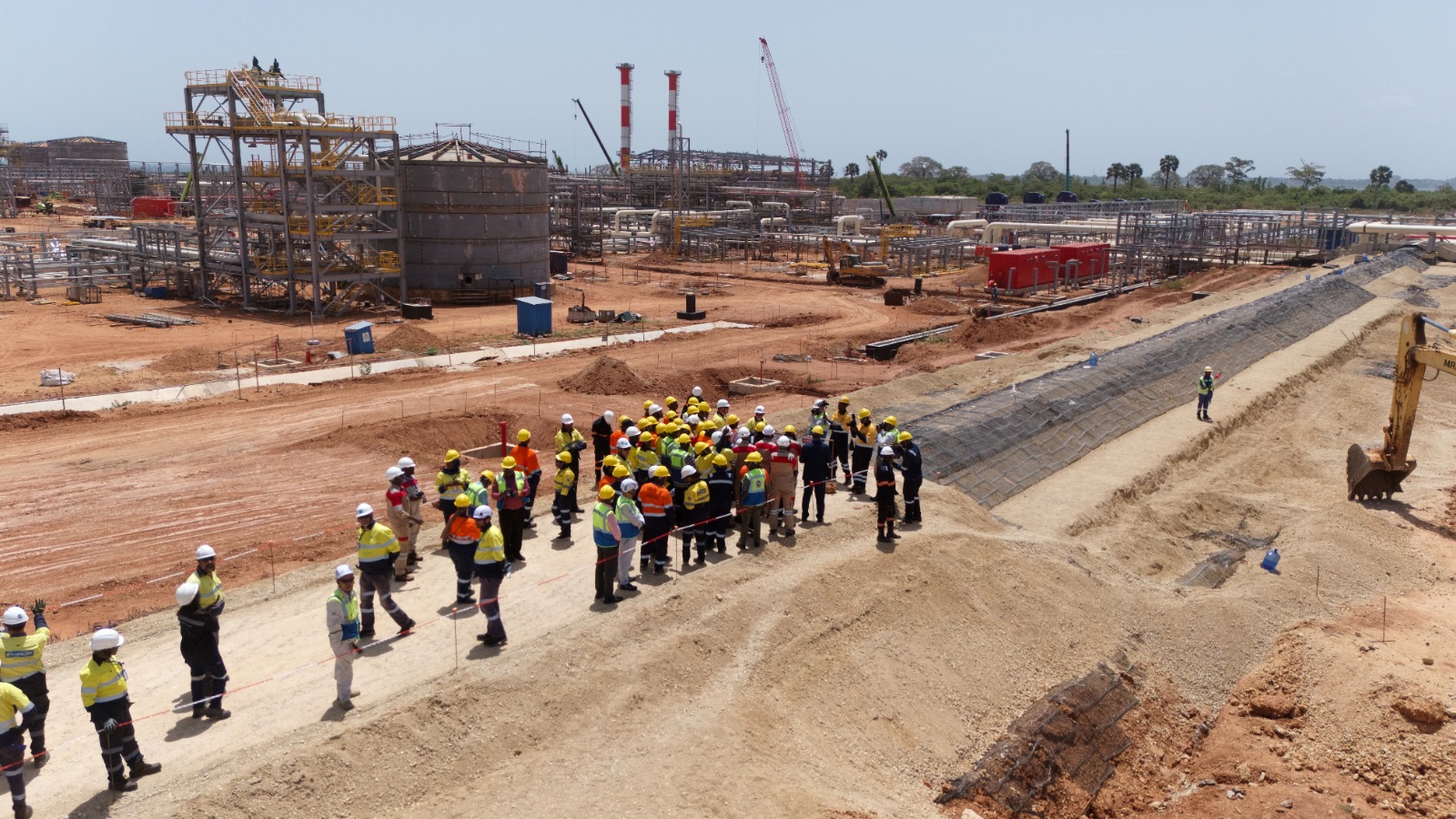
The timelines were underscored during a high-level inspection of the Marine Storage and Terminal (MST) facility in Tanga Region, Tanzania, by Uganda’s Minister of Energy and Mineral Development, Ruth Nankabirwa Ssentamu, alongside the Deputy Minister of Energy of the United Republic of Tanzania.
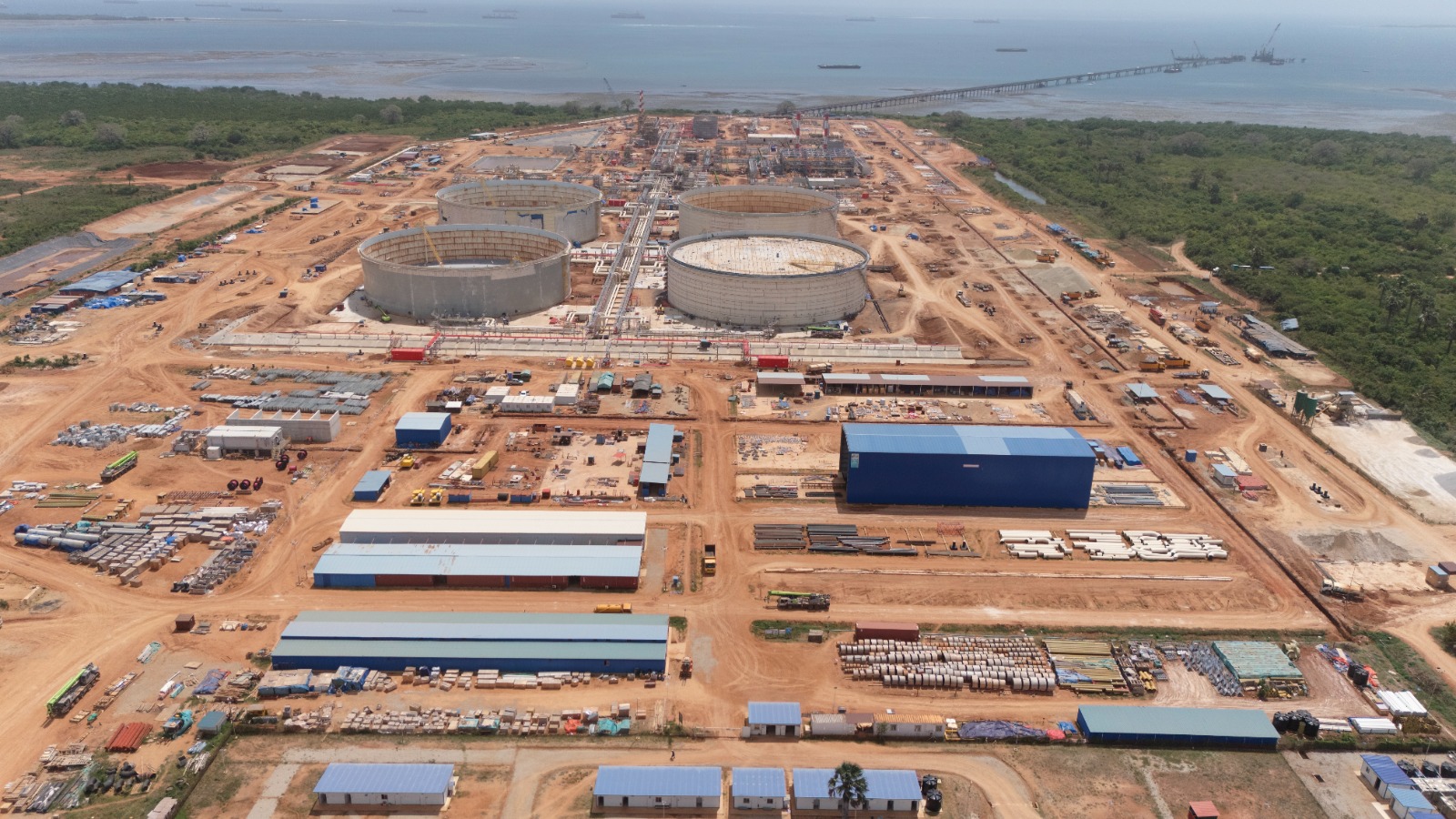
The MST facility marks the final export point of Uganda’s crude oil and is a critical component of the EACOP downstream system. It comprises four crude oil storage tanks with a combined capacity of approximately two million barrels, supported by export pumping systems and an on-site power generation unit that will drive crude transfer to international markets.
“From the pump station in Hoima up to the last point here in Chongoleani, where our crude oil will be loaded onto ships for commercialization, we are happy with the progress,” Nankabirwa said. “The tanks have been established, security and health safeguards are in place, and global safety and health standards have been fully observed.”
Crude oil from Uganda’s oilfields will be stored at the MST before being pumped to the export jetty via a two-kilometre trestle linking the onshore terminal to offshore loading operations.
Key supporting infrastructure—including Electrical, Instrumentation, Telecommunications and Security (EITS) systems and the onshore abutment—has already been completed, while construction of the mooring and berthing dolphins has reached about 85 percent.
During the site visit, the ministers were briefed on construction milestones, safety performance and commissioning timelines. The entire Marine Storage and Terminal facility is scheduled for phased commissioning starting in the first quarter of 2026.
Nankabirwa said the July technical commissioning of the pipeline system will pave the way for a political commissioning later in the year, led by the heads of state of Uganda and Tanzania, a step that will formally unlock Uganda’s entry into the global oil market.
She described EACOP as a transformative investment for East Africa, projecting that regional economies could double or even triple due to capital inflows, job creation, skills development and community support programs linked to the project.
Communities along the 1,443-kilometre heated pipeline—the longest of its kind in the world—have benefited from improved roads, water supply and social infrastructure, reinforcing local ownership of the project.
“This is one of the biggest projects on the African continent,” Nankabirwa said. “Its success will be a global success, and many countries will emulate what East Africa has achieved.”
She also emphasized the need to complete enabling infrastructure such as the Kawanda substation to ensure reliable renewable power for pipeline operations, alongside robust ICT systems for real-time monitoring.
At the Tanga terminal, Uganda National Oil Company Chief Communications Officer Tony Otoa said the site represents the final chapter of Uganda’s crude oil journey.
“This is the end point,” Otoa said. “This is where ships will berth to take Uganda’s crude oil to markets around the world. It shows the scale of effort by the East African states, and more importantly, by the people of East Africa.”
The inspection visit highlighted continued high-level political backing and cross-border collaboration between Uganda and Tanzania, positioning EACOP as a cornerstone for regional energy development, infrastructure growth and economic integration.
